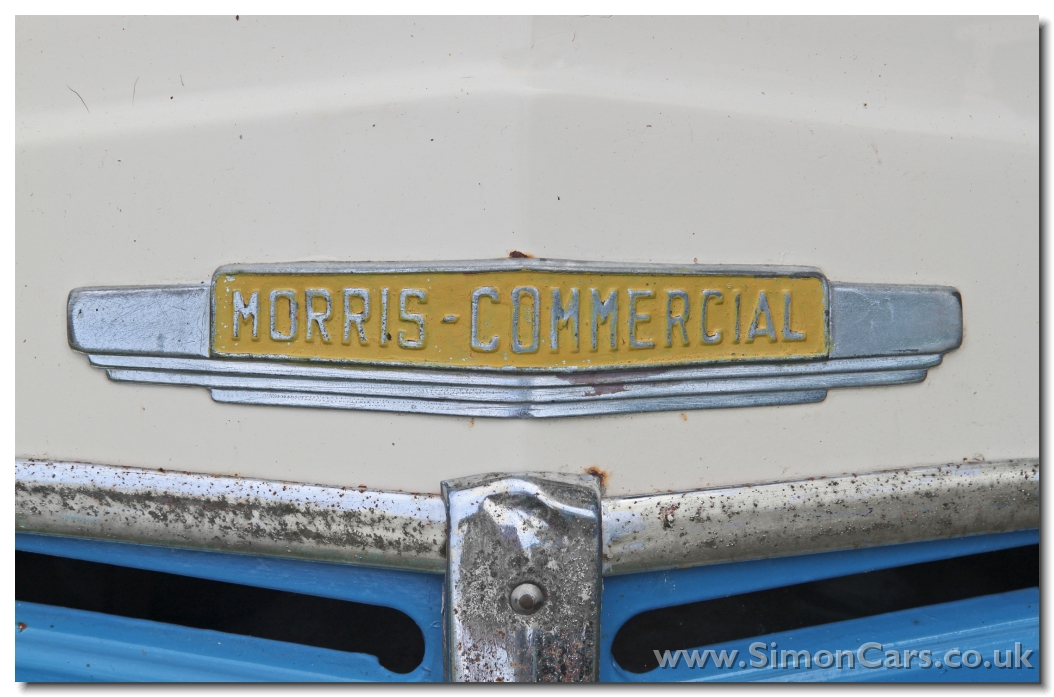
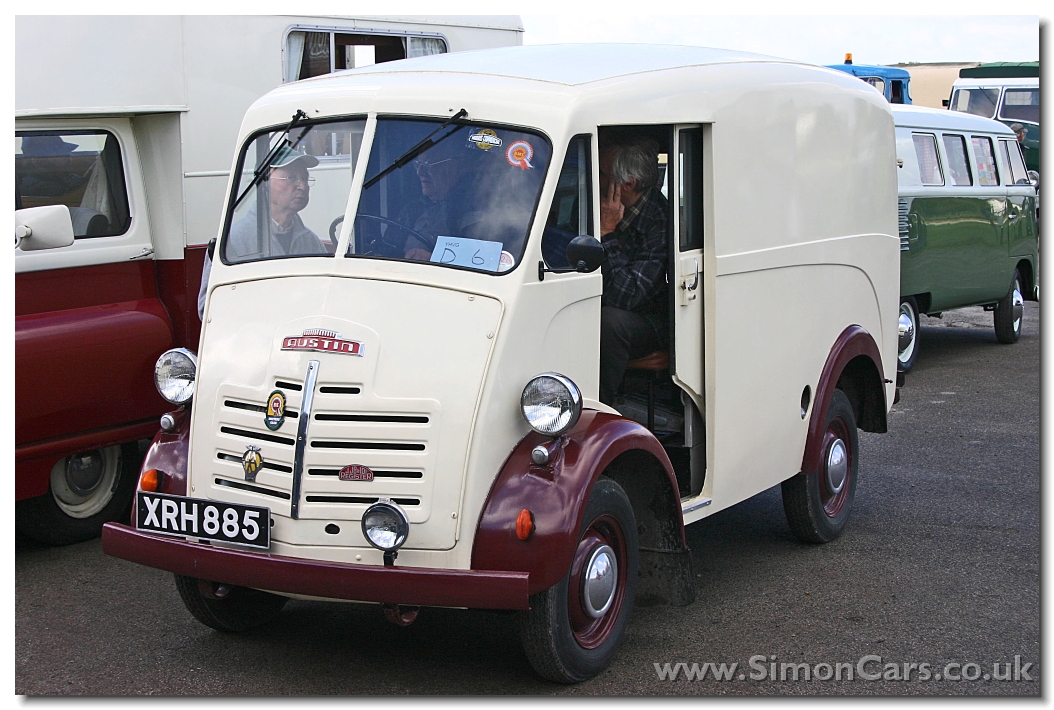
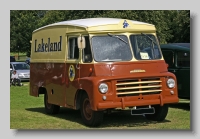
Morris-Commercial J-type 1952 - badge. Early J-types were badged 'Morris Commercial' until the Austin 101 variant was launched and the 'Morris' badge given.
|
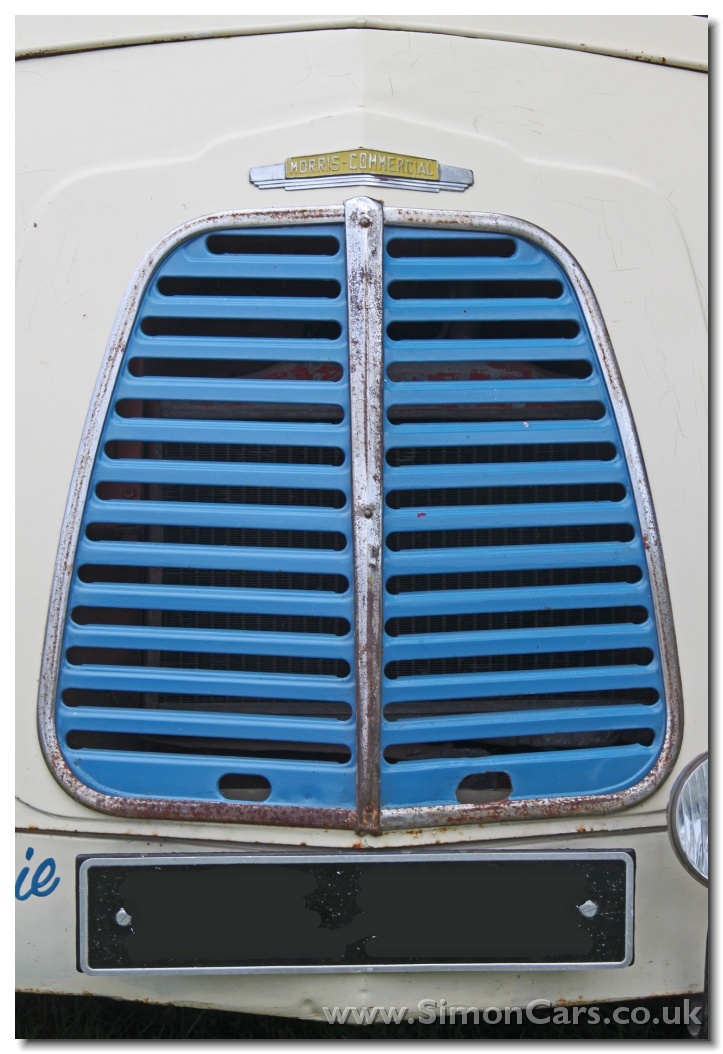
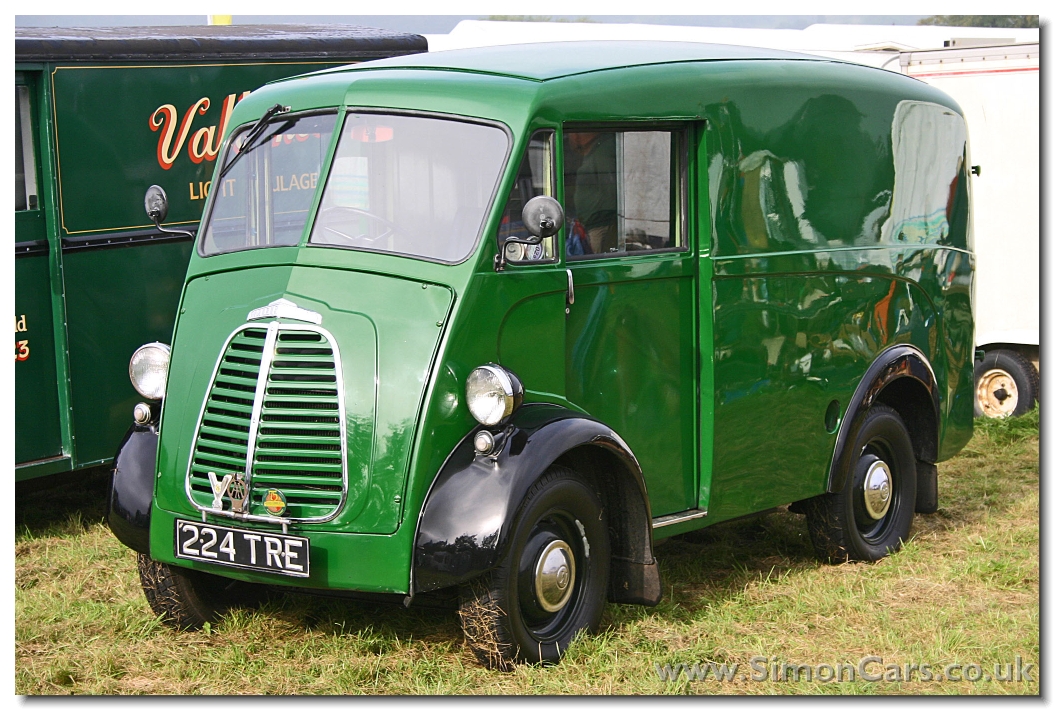
Morris-Commercial J-type 1952 - grille
|
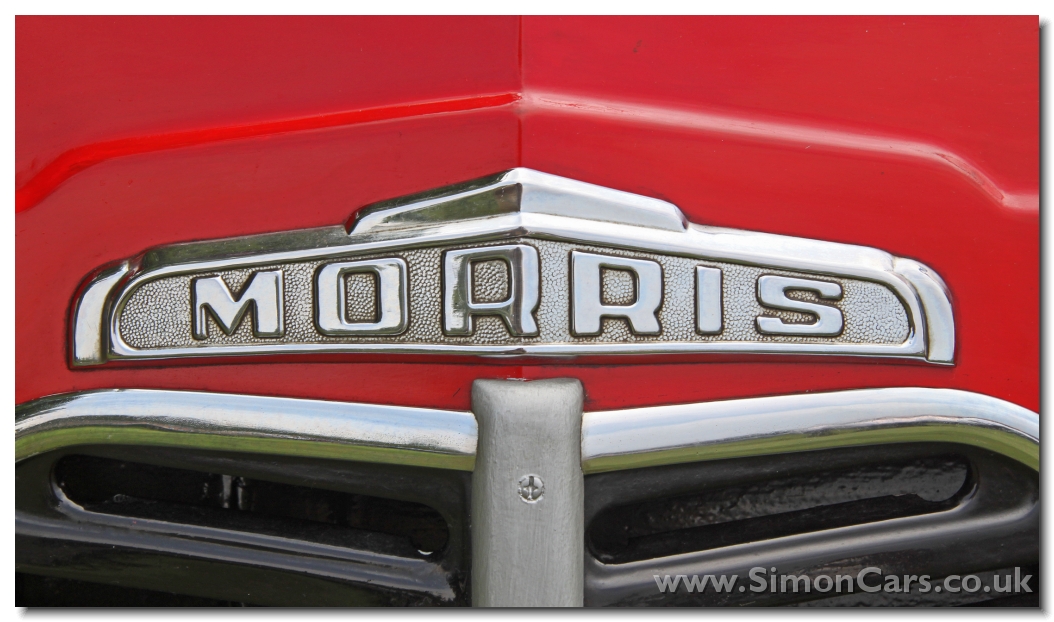
Morris JB Van - badge on bonnet, no longer 'Morris-Commercial' after the Austin 101 variant was launched
|
Other than a change from split spiral gear to hypoid type axle after approx 11,276 had been built, the van specification was largely unchanged until 1957. This is when the BMC 'B' Series OHV engine and 4-speed gearbox were adopted and vehicles became known as 'JB' vans or for the badge engineered Austin alternative '101 vans'.
|
1957. This is when the BMC 'B' Series OHV engine and 4-speed gearbox were adopted and vehicles became known as 'JB' vans or for the badge engineered Austin alternative '101 vans'. Production continued until 1961 (Austin and Morris chassis numbers were not separated), with a final total of 48,620.
|
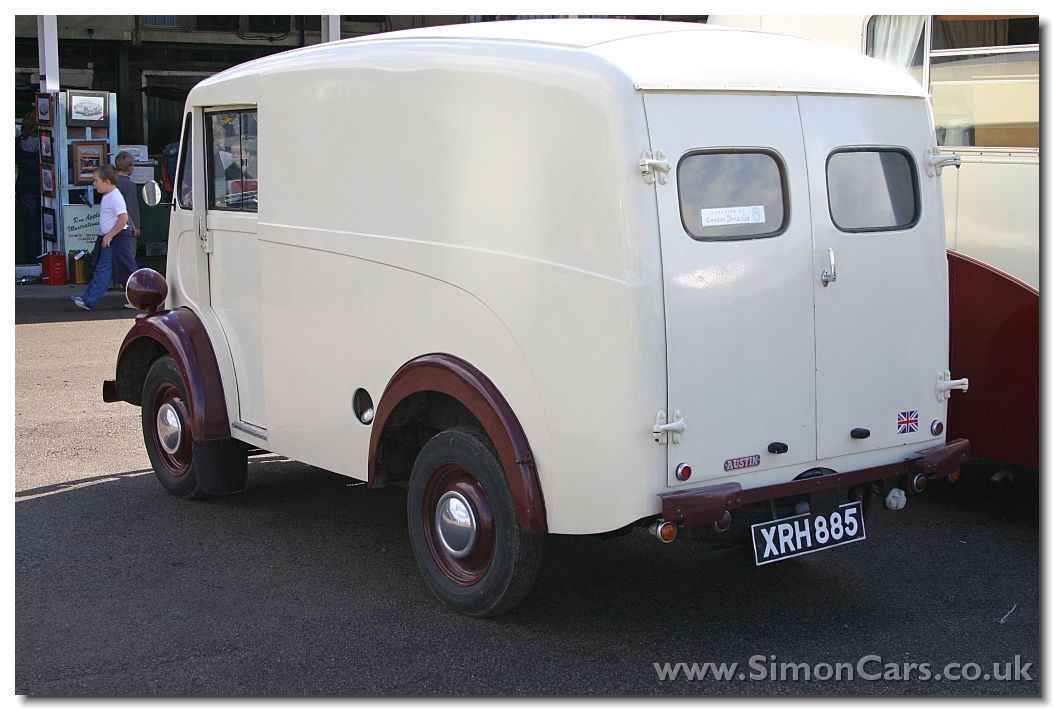
Austin 101 Van 1957
|
The 'J' Type was first shown at the 1948 Commercial Motor show, with the first production models appearing in Autumn 1949. These had a 3- speed gearbox coupled to the side-valve engine common to the MO but used a downdraught carburettor.
|
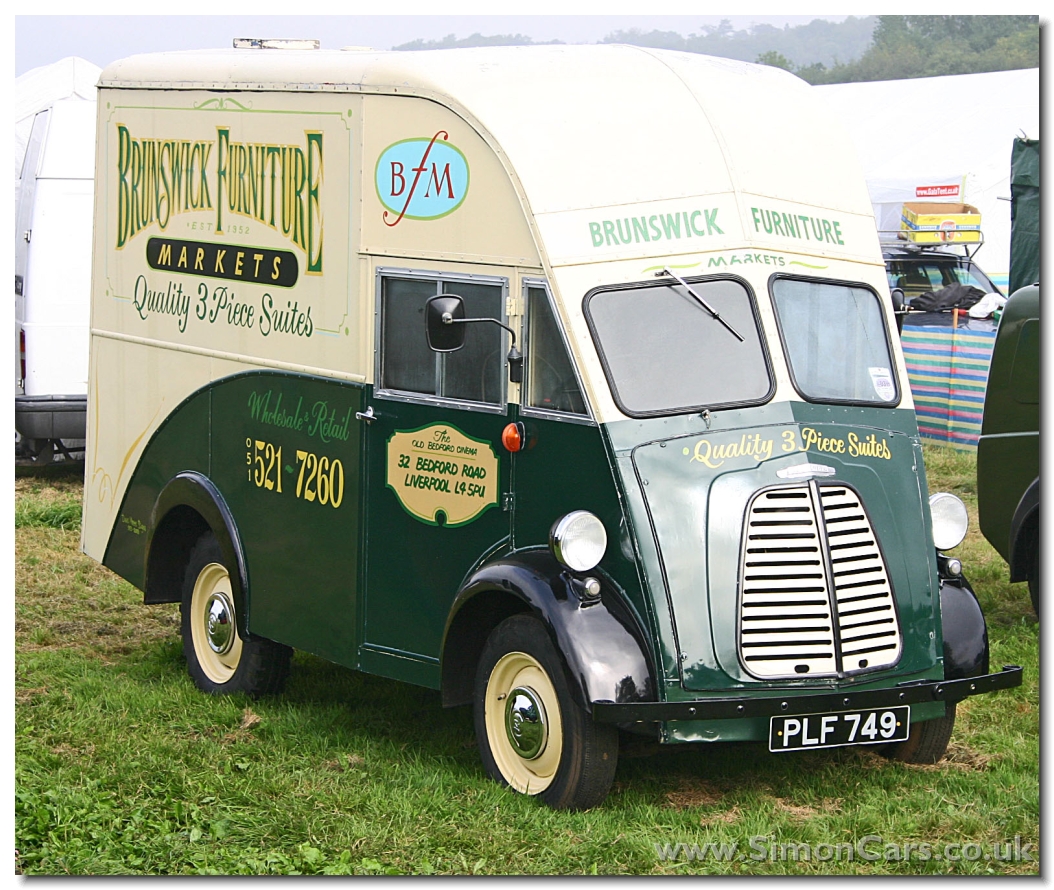
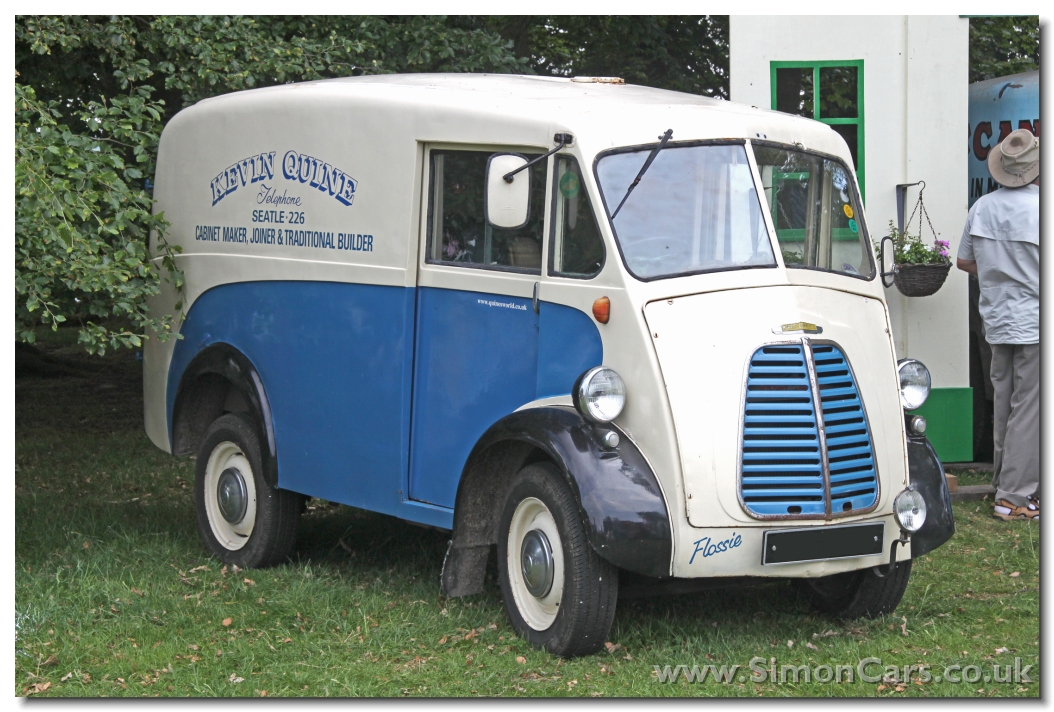
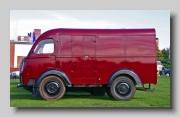
The J Type is a characterful little van that dates to the late 1940s, early 1950s. Originally powered by a sidevalve Morris (MO saloon) engine, and later propelled by the OHV BMC 1.5 engine (and renamed 'JB'). Rare today is the Austin badged version, known as the 101 and fitted with a revised front grille.
|
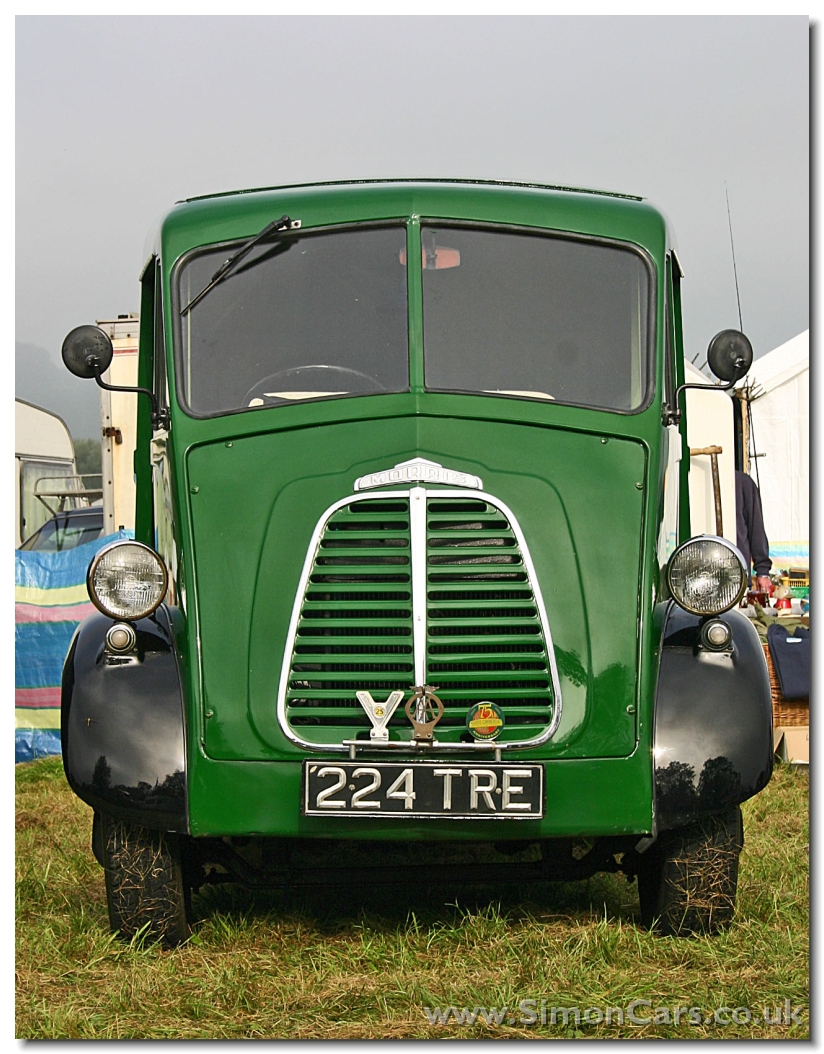
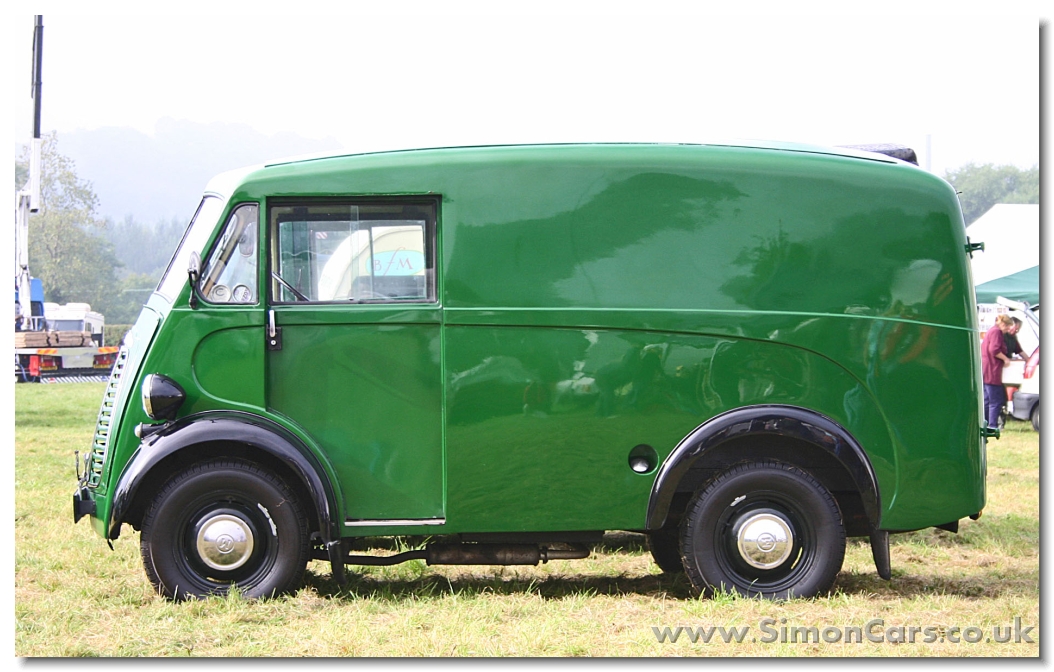
Morris J-type Van
|
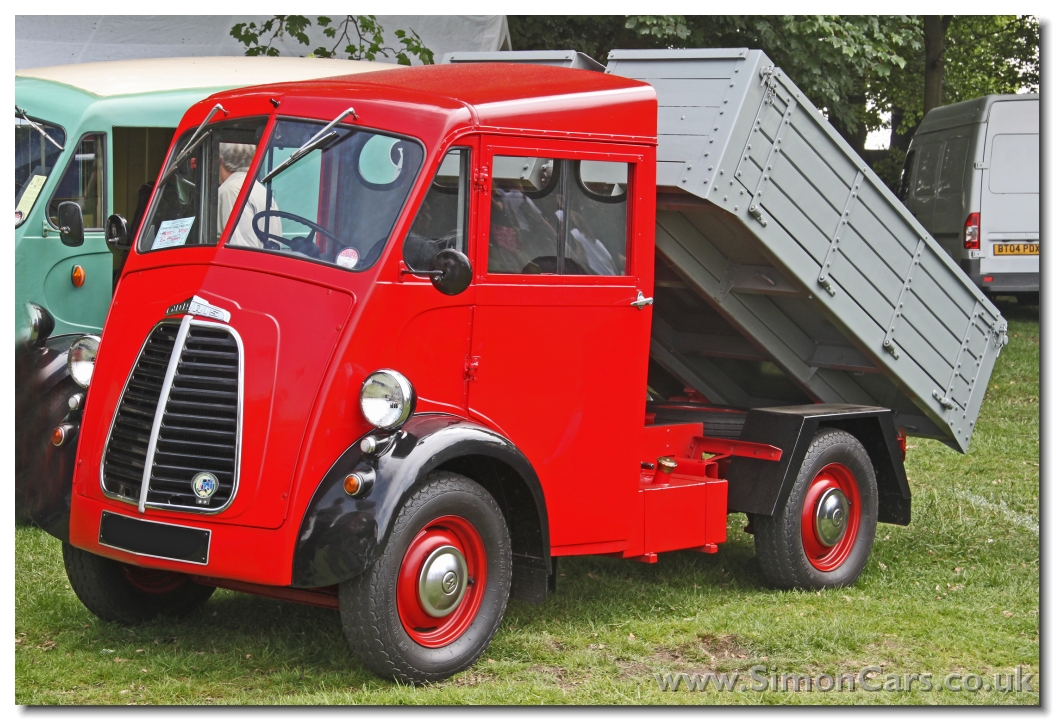
Morris JB Truck
|
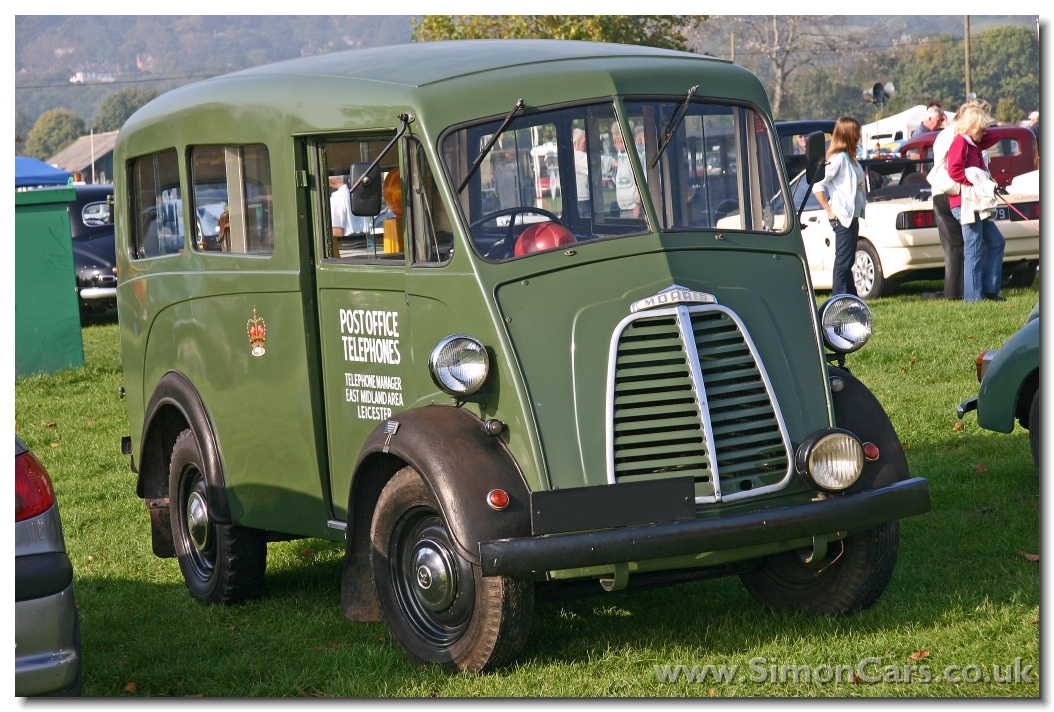
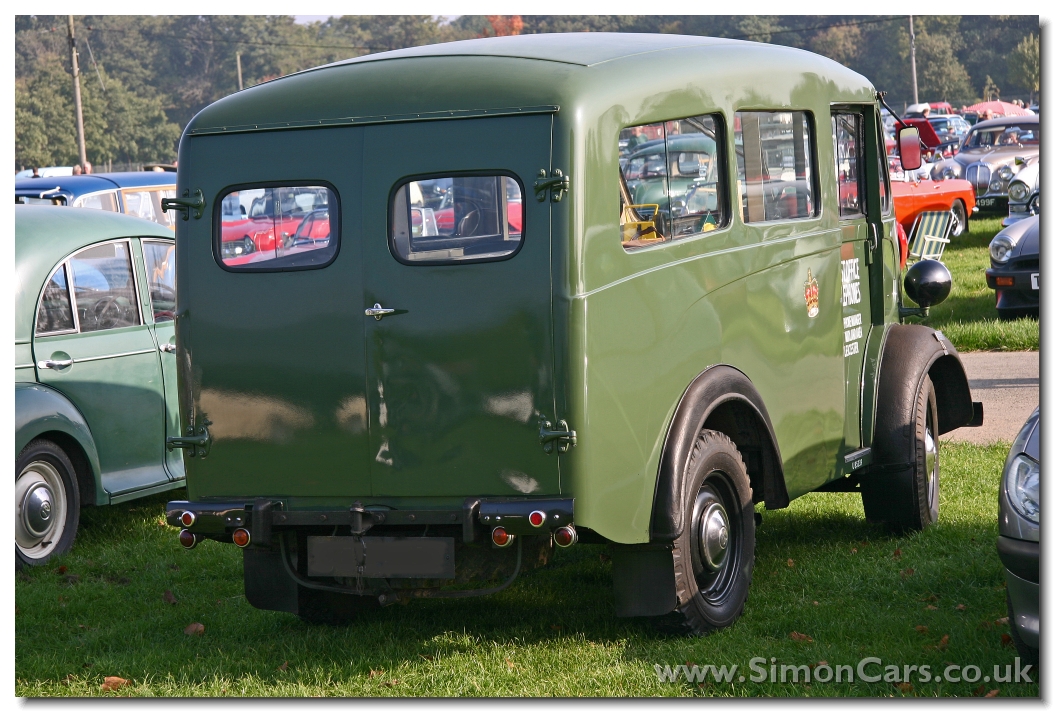
Morris JB Utilibus. This J-type is the later JB with 1489cc 42bhp, B-series engine from 1957-61. It still has the Post Office specification which includes rubber wings and headlamps mounted on the body side.
|
Morris JB Utilibus. The Post Office bought over 6000 J-types (about 12per cent of all J-types), and some had this Utilibus body conversion.
|