| Car Albums | |||||
| Makers | |||||
| Models | |||||
| Triumph TR Index | |||||
| Designer: Harris Mann | |||||
| Full menu functions for the buttons above are only available if you ALLOW BLOCKED CONTENT. My menu scripts provide drop-down menus that have been tested with the latest Mozilla browsers. If the scripts do not run, limited navigation is given by these buttons | |||||
|
Triumph TR7 and TR8
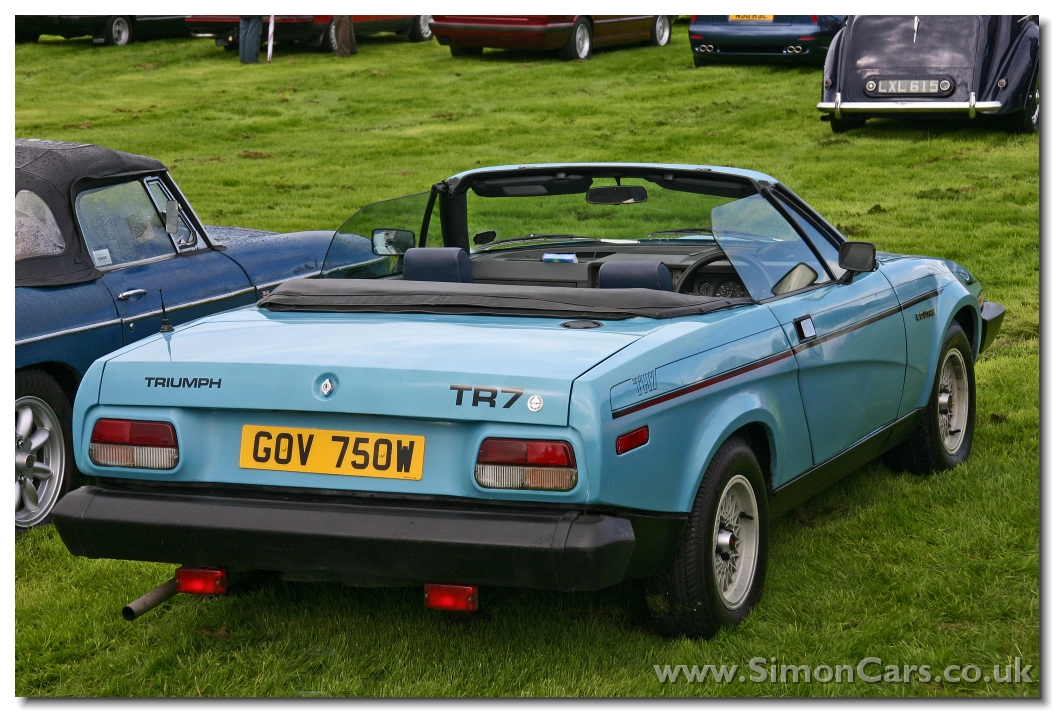
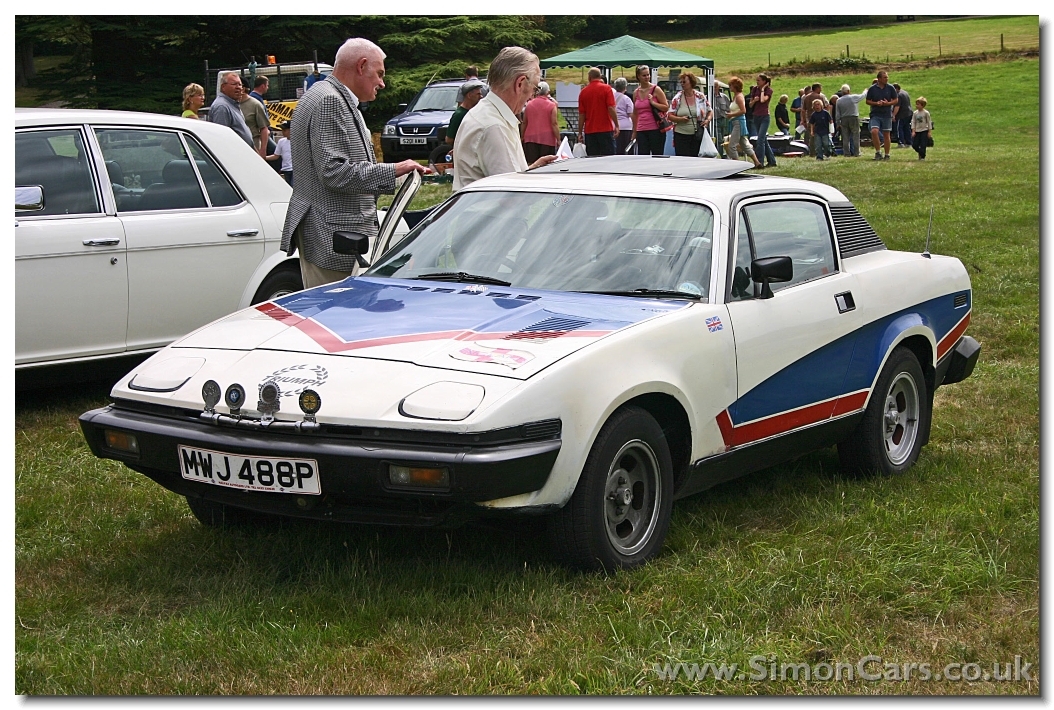
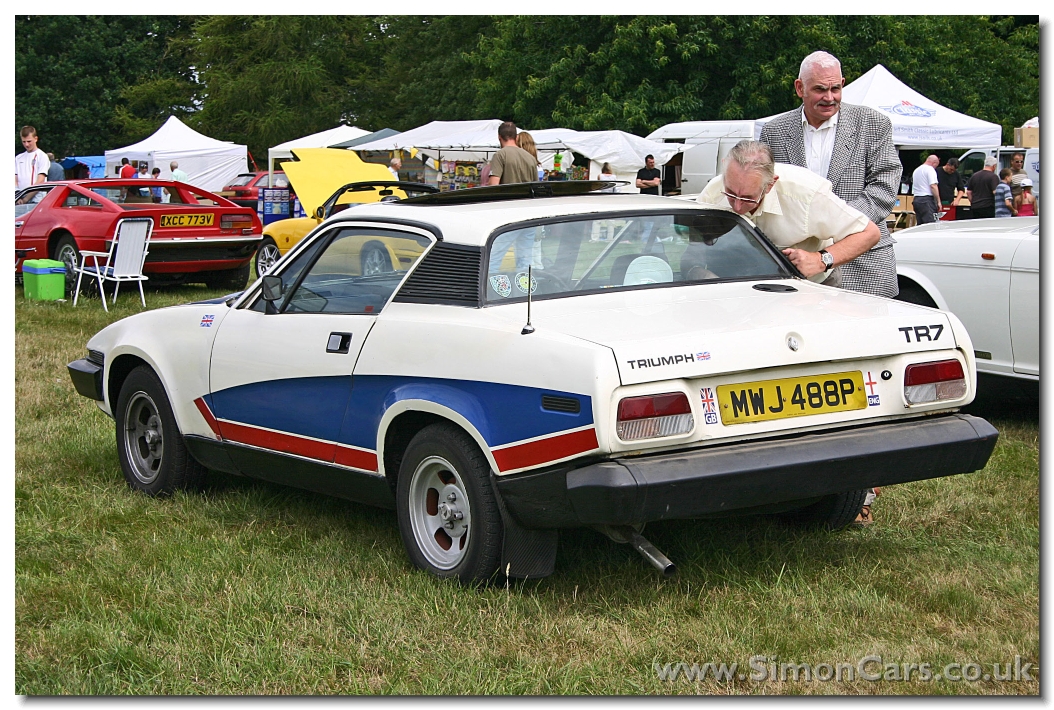
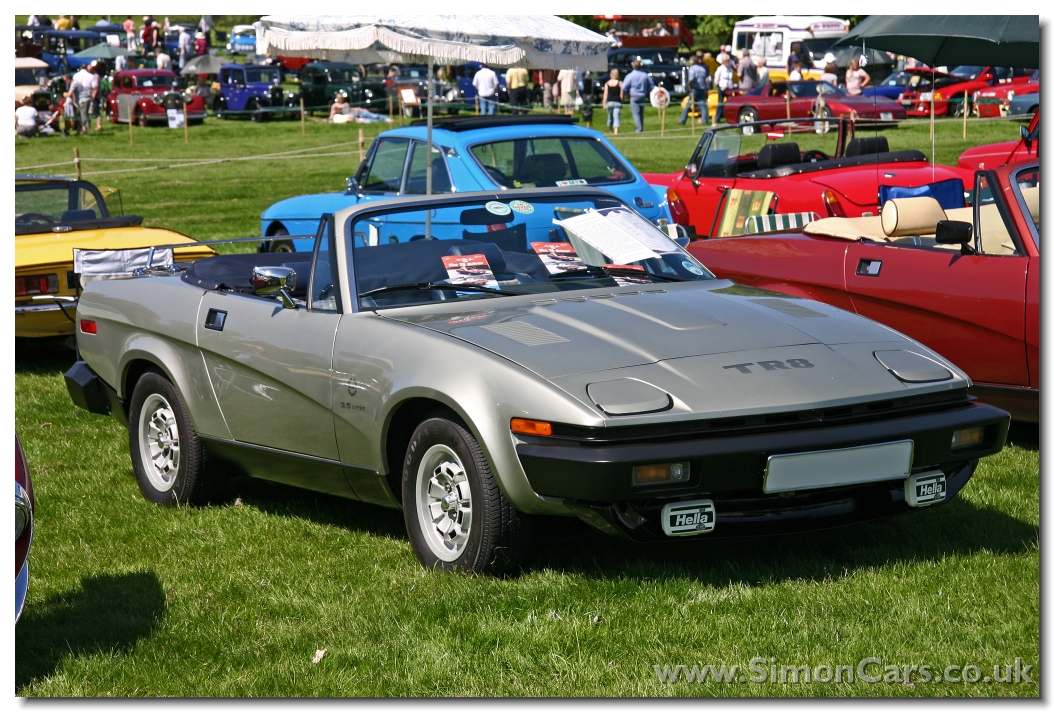
Leyland's Triumph TR7 brought together projects from both the BMC part of British Leyland and the Triumph part of it. MG's ADO21 was a radical mid-engined coupe, whilst Triumph's Bullet was a radical departure from the TR2-6 models but with conventional engineering. By 1971 the Bullet had been bitten, and MG proposals shelved. Spen King asked Harris Mann
to taken on the Triumph project, and his radical wedge design was accepted with little modification. Spring 1975 saw the launch of the Triumph TR7 for the American market, and when production at the Liverpool Speke factory could be geared up the TR7 was launched on other markets. Mechanically the TR7 was based on the 2-litre Triumph Dolomite, not even being given the Sprint engine. In May 1979 the convertible TR7 was launched after the realisation that Federal regulations were not going to kill off the convertible car. Most convertible TR7s went stateside, as did the V8-engined TR8 launched in the USA in May 1980, and TR7 production ended in 1981.
|
|
|
|
|
|
|
|
|
|
|
|
|
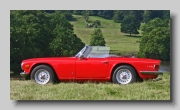
Triumph TR6 |
| Triumph Cars | British Cars | Simon Cars | |||
Images created by Simon GP Geoghegan Email Simon